

Padparadscha sapphire at a glance
| Species | Corundum, hardness 9, density about 4.0 |
|---|---|
| Color | Pinkish orange to orangy pink, light to medium tone |
| Name | From Sinhalese padmaraga, the color of the lotus |
| Classic source | Sri Lanka; also Madagascar and Tanzania |
| Main treatment risk | Beryllium diffusion, which only a lab can rule out |
| Check before buying | Pink and orange balance, report wording, color stability |
What is listed right now
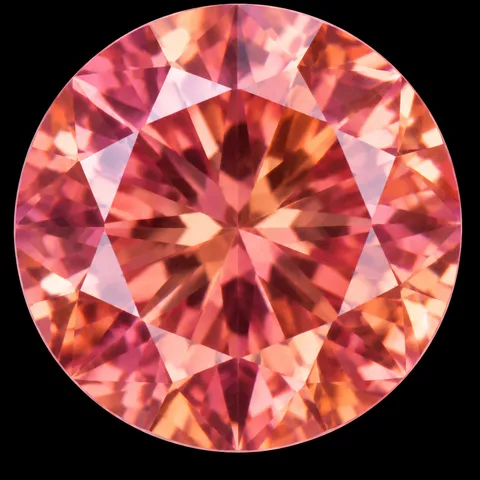
Right now the catalog holds 4 padparadscha sapphires, from 0.43 to 1.11 ct, and 4 are available to reserve. The most common shapes are oval, octagon. By the suppliers' own statements, 3 are heated and 1 unheated.
Jump to a shape: Oval (3), Octagon (1).
What counts as padparadscha
The name covers a narrow window: a soft mix of pink and orange in a light to medium tone, with neither hue swamping the other. Stones that are mostly orange, mostly pink, too dark or too brown fall outside it. Laboratories publish their own descriptions of the range and do not all draw the edges in the same place, so one lab's padparadscha may be another's pinkish orange sapphire.
For a retailer, the report wording is the product. The same stone can be worth very different amounts with and without the name, so for anything priced on it, check whether a laboratory report is attached and exactly what it says.
Why the island owns the name
The color has been prized in Sri Lanka for centuries, and the classic stone in the trade's mind is a Ceylon gem with a soft sunset glow. Ratnapura and the surrounding gem gravels remain the best known source on the island. Madagascar and Tanzania have produced material in the same range since the 1990s, often with more pink. Origin matters to collectors, but listings record it as declared by the supplier unless an attached report states a country.
The beryllium diffusion story
Around 2001, large quantities of bright orange and pinkish orange corundum reached the market. They turned out to have been heated with beryllium, which diffused into the stones and created the color. The process was not disclosed at first, and it changed how laboratories test this hue. Today any report for a stone sold under this name should say whether beryllium was detected.
On the platform, diffusion treated stones carry their own value and are never mixed with heated goods. Conventional heating without beryllium is common in this color and accepted when disclosed.
Color stability
Some pinkish orange corundum contains a color component that fades with light exposure and slowly returns in the dark. Laboratories can run a fading test, and many state the result. A stone that loses its orange after a few days in a showcase will disappoint the client, so for top-priced pieces ask whether the report covers stability.
Reading a padparadscha report
A useful report for this color names the species and variety, states the treatment finding, and says in plain words whether the color falls within the laboratory's padparadscha range. Many also comment on color stability or on beryllium. If the report only gives a plain hue description, the stone is being sold on its color rather than the name and should be priced that way.
Check that the weight and measurements on the report match the listing. Small differences come from rounding; larger ones may mean the stone has been recut since testing, which can shift the color slightly. Report dates matter for the same reason.
Setting and showing the color
The soft glow that defines a padparadscha sapphire is easy to drown. Yellow gold adds warmth and can push a pinkish stone toward orange, while white metals keep the pink side visible. Rose gold sits between the two and is a common choice. In a halo, white diamonds lift the color; colored accents usually compete with it.
Buying for a retail line
Fine padparadscha sapphires over two carats are rare and expensive. Smaller stones and lighter, peachier colors are more accessible and often fit an engagement ring budget better. Approved retailers see a trade price on each listing, can reserve online, and can show the same live stones on their own website through the API.
Questions buyers ask
Why is padparadscha sapphire so expensive?
Its color sits in a narrow range few stones reach, the classic source is limited, and many candidates turn out to be diffusion treated or outside the color window when tested. Demand from collectors and bridal clients does the rest.
How do I know a padparadscha sapphire is not diffusion treated?
Only a laboratory test can tell. Look for a report stating no indications of beryllium diffusion. Here, a stone shows lab documented treatment only when a report is attached to its listing.
What is the difference between padparadscha and peach sapphire?
Peach is a trade name for lighter, softer pink-orange stones that may not meet a laboratory's padparadscha definition. They can look similar and usually cost much less. See the peach page for those stones.
How many padparadscha stones are listed?
4 stones are listed under this color right now, from 0.43 to 1.11 ct. Each shows the supplier's treatment and origin claims and any attached report.
Is padparadscha suitable for an engagement ring?
Yes. It is corundum, 9 on the Mohs scale, and wears well. Many couples choose it instead of a diamond; pick a stone whose report covers treatment and color stability.