

Peach sapphire at a glance
| Gem species | Corundum, hardness 9 |
|---|---|
| Color | Light pinkish orange, peach and apricot tones |
| Laboratory naming | Usually orangy pink or pinkish orange sapphire |
| Usual treatment | Heating is common; diffusion must be ruled out |
| Main sources | Sri Lanka, Madagascar, Tanzania |
| Check before buying | Brown modifiers, transparency, diffusion and fading notes |
What is listed right now
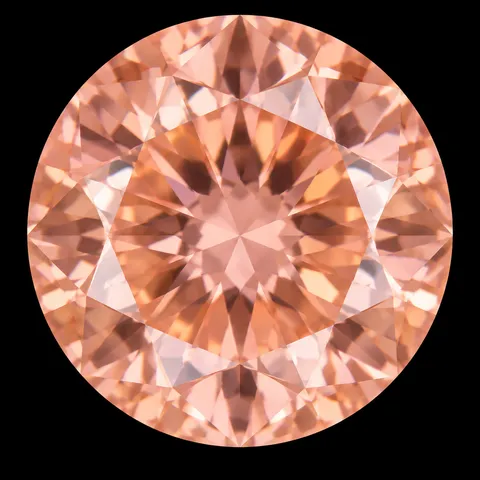
Right now the catalog holds 5 peach sapphires, from 0.56 to 3.44 ct, and 5 are available to reserve. The most common shapes are oval, octagon, round. By the suppliers' own statements, 4 are heated and 1 unheated. 1 listing includes a video.
Jump to a shape: Oval (3), Octagon (1), Round (1).
Peach, padparadscha and the space between
Peach grew popular in bridal jewelry in the late 2010s as a softer, more affordable cousin of padparadscha. The two share a hue family; the difference is usually tone and saturation. Peach stones are lighter or more muted, and many would not meet a laboratory's padparadscha definition. That is not a flaw: for many clients the gentle color is the whole point.
Because peach is a marketing name, treat it as a description of the look and read the color on a report if one is attached.
Where the color comes from
Like its rarer cousin, the color mixes chromium, which adds pink, with yellow and orange from iron or color centers. The balance shifts from stone to stone, so one may lean apricot while another looks closer to salmon. Brown modifiers make the gem look dull and are the main thing to avoid.
Treatment and stability
Heating is common in this color range and accepted when disclosed. Beryllium diffusion, which can create orange and pink-orange colors, is a separate treatment and is listed as such. Some pink-orange corundum can fade slightly in strong light, and laboratories can test for it. Each listing shows a treatment value, supplier-reported unless a laboratory report is attached.
Cut, clarity and size
Light colors reveal clarity more than dark ones, so inclusions and silk are easier to see here. Look for good transparency and an even face-up color. A well cut light stone sparkles; a shallow one shows a window. Compare the carat weight with the length and width on the listing to judge the face-up size you are paying for.
Pricing peach against padparadscha
Because the name does not depend on a laboratory window, peach goods are priced on how attractive the color is, how clean the stone looks and its size. A bright, clean stone of two carats can cost a fraction of a certified padparadscha of similar size. That gap is the main reason retailers stock peach: it offers the look for clients who cannot stretch to the rarer gem.
Some stones sold as peach would pass a laboratory's padparadscha test. If a listing has a report attached, read the color description; if it names padparadscha, expect the price to reflect it.
Metal and design choices
Rose gold is the most common partner because it echoes the pink side of the color. Yellow gold brings out the orange and suits vintage designs. White gold and platinum keep a pale stone crisp but can make it look cooler. In three-stone rings, peach pairs naturally with white sapphire or diamond side stones.
Why peach became a bridal favorite
Peach caught on with couples looking for a warm, romantic color that is less expected than blue and less loud than vivid pink. It photographs well in natural light, which helped it spread on social media, and it suits the vintage and nature-inspired designs many independent jewelers sell. For a retailer, that usually means a younger bridal client, often ordering a custom ring, so good photos and a clear treatment statement matter to the sale.
Sizes and shapes
Ovals, cushions and pears are the most common shapes in Sri Lankan material in this color, usually between half a carat and three carats. Larger stones exist, but color tends to deepen as size increases, which can push a stone toward the padparadscha range and its price. Light, clean stones over three carats are therefore uncommon. Compare face-up size with the measurements rather than weight alone.
Selling peach in a store
It gives retailers a price point below padparadscha for clients who love the color. Approved trade accounts see prices on each listing, can reserve stones online, and can display the same inventory on their own website through the API.
Questions buyers ask
Is peach sapphire a real sapphire?
Yes. The mineral is corundum; peach only names its light pink-orange color, which laboratories usually record as orangy pink or pinkish orange.
Is a peach sapphire a padparadscha?
Occasionally the same stone could be called either, but usually not. Padparadscha is a narrower, more saturated window that a laboratory must confirm, while stones sold as peach are typically lighter and cost much less.
Are peach sapphires good for engagement rings?
Yes. A hardness of 9 means it copes with daily wear. Choose a clean stone with good transparency, since light colors show inclusions more easily.
How many peach stones are listed?
5 peach stones are listed now, from 0.56 to 3.44 ct, with new stones added as suppliers list them.
Do peach sapphires change color?
Most are stable. A small number of pink-orange stones fade slightly under strong light and recover in the dark; a laboratory fading test detects this.